 (618) 939-4769




As the temperatures drop and most homeowners head indoors for the season, it is easy to assume that lawn care can take a backseat until spring. After all, the grass is no longer growing, the leaves have mostly fallen, and landscaping beds are in hibernation.
But make no mistake, what you do or do not do right now can have a lasting impact on your lawn’s health come spring.
At Linnemann Lawn Care & Landscaping, we see it every year. Lawns that were in good shape in the fall emerge in rough condition after winter, not because of snow or ice, but because of neglect in the final weeks of the year. That is why we educate our clients to treat the last few months of the year as transition months, not as downtime. Some simple steps taken now will prevent costly setbacks and give your property a better starting point when the growing season returns.
Here is what your lawn and landscape need right now before winter causes more damage.
Keep Leaves and Debris Off the Lawn
By this point in December, most trees have dropped the bulk of their leaves. While many homeowners stay on top of leaf cleanup in October or November, we often see one last round of debris get left behind after the final mow.
Allowing leaves to sit on your lawn all winter is one of the most common causes of turf damage in our region. Wet leaves trap moisture, block air and sunlight, and create a perfect environment for fungal diseases like snow mold to develop. Even a thin layer of matted leaves can kill patches of grass, leaving your lawn full of bare spots come spring.
Use a leaf blower or rake to remove any remaining leaf piles from the lawn. Reminder: Pay close attention to areas where wind tends to collect debris, including around fences, foundations, and beneath shrubs. Even if you mulched earlier in the season with your mower, it is important to walk the property now and ensure the turf is completely clear. A final cleanup at this stage helps prevent mold, disease, and suffocation over the winter months.
Avoid Walking on Frosted or Frozen Grass
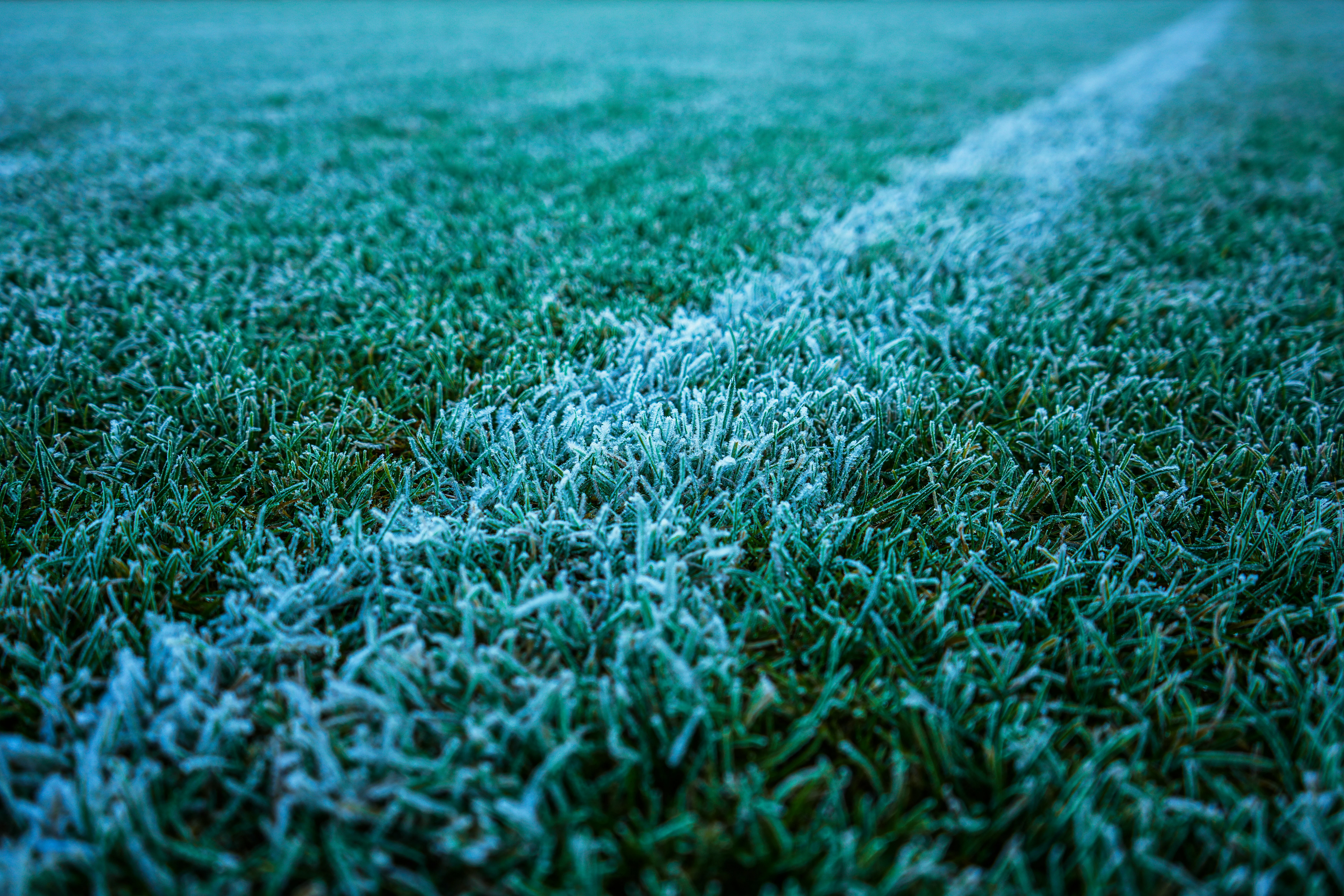
When temperatures dip below freezing overnight, your lawn may develop a layer of frost in the early morning hours. It may look harmless, but walking on frosty grass can cause real damage to the blades.
Grass blades become brittle when frozen. Stepping on them causes the cells within the blade to rupture, which leaves behind visible footprints, brown patches, and a weakened lawn structure that struggles to recover. The damage may not appear immediately but will become clear as temperatures rise.
As a general rule, avoid walking across the lawn when there is frost on the ground or when the soil is frozen but not snow-covered. If you need to access a shed, garbage bins, or other areas, create a designated walkway using stepping stones or mulch paths so foot traffic is directed away from turf areas.
Keep an Eye on Draninage Problems
With the ground beginning to freeze, winter precipitation can lead to water pooling in low-lying areas. If you have poor drainage or compacted soil, these areas are at higher risk for turf suffocation or root rot (especially near hardscapes, patios, or foundation lines).
Look for signs of standing water or soggy soil, particularly after rain events or snowmelt. If water consistently pools in one spot, take note now and plan to address it early in the new year before spring growth begins. Simple grading adjustments or the installation of proper drainage systems can prevent long-term damage.
Even if you cannot fix the issue during the winter months, documenting the concern now ensures it will not be forgotten once spring arrives.
Clean Up Bed and Mulch Areas
Landscape beds often get overlooked once the growing season ends, but December is a critical time to tidy up your ornamental spaces. Perennials should already be cut back, but remaining debris, fallen branches, and broken stems can invite disease and pests if left in place.
This is also a good time to check your mulch. While we do not recommend adding new mulch in the middle of winter, you should inspect existing mulch levels to ensure plant roots remain protected. A depth of two to three inches is ideal. Any thinner and you risk freeze-thaw damage around the base of plants. Too thick, and you risk trapping moisture and creating conditions for mold or mildew.
Lightly raking or fluffing existing mulch can help improve airflow and prepare the beds for winter. Just be careful not to disturb shallow plant roots or compact the soil beneath.
Make Sure Irrigation is Fully Shut Down
While most clients have already winterized their irrigation systems, we continue to find un-drained hoses, neglected timers, or improperly blown out lines as late as December.
If any part of your irrigation system still has water in it, you risk cracked valves, burst pipes, and expensive repairs in spring. Double-check your system and make sure all zones were properly blown out and backflow devices are protected.
For clients using drip lines in garden beds or hose timers on spigots, these should also be removed, drained, and stored indoors. Even small residual amounts of water can freeze and cause damage.
Final Thoughts from the Field
At this point in the year, our team is still out walking properties and responding to client questions about late-season maintenance. One thing we stress in every conversation is this: the lawn may look like it is asleep, but the choices you make today set the stage for how it will wake up in March.
If you want strong, healthy grass next year, start by protecting it now.
Take time to remove the leaves, stay off frosted turf, tidy up your beds, watch for drainage issues, and check your irrigation. These small tasks go a long way in preserving the time, effort, and investment you made this past season.
Need Help Getting Your Property Ready?
At Linnemann Lawn Care & Landscaping, we specialize in full-service landscape maintenance and enhancements that go beyond seasonal cleanups. From bed care and plant health to pest control and seasonal treatments, our team helps homeowners protect and improve their outdoor spaces all year long. If you have concerns about your lawn, landscape beds, or ornamental plantings this winter, we are here to provide expert guidance.
Call 618-939-4769 or contact us to get on the schedule before winter causes more damage.



Comments (0)
Thanks for your comment!
Thanks for your feedback! Your comments have been successfully submitted! Please note, all comments require admin approval prior to display.
Error submitting comment!
There is a problem with your comment, please see below and try again.