 (618) 939-4769




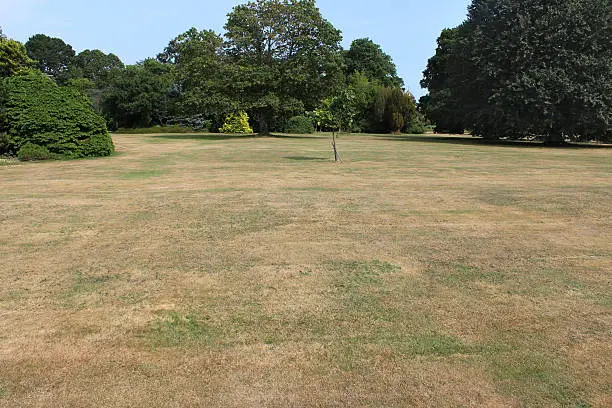
A green, healthy lawn is something many homeowners take pride in. That is why it can be alarming to look outside during the summer and see brown patches spreading across the yard. While it is easy to assume the grass is dead, that is not generally the case.
Summer can be one of the most stressful times of year for your lawn. High temperatures, inconsistent rainfall, lawn diseases, insect activity, and soil conditions can all contribute to discoloration and thinning turf. While some browning is normal during periods of extreme heat, understanding the cause can help you determine whether your lawn simply needs time to recover or if it requires professional attention.
If your grass is turning brown this summer, here are some of the most common reasons it may be happening.
Summer Heat Does Not Always Mean Your Lawn Is Dead
One of the most common causes of brown grass during the summer is heat and drought stress. Throughout Columbia, Waterloo, and the surrounding St. Louis Metro East area, cool-season grasses are commonly found in residential lawns. These grasses thrive during the cooler temperatures of spring and fall but often struggle when summer temperatures remain high for extended periods.
When grass becomes stressed from heat and a lack of moisture, it may enter a dormant state. Dormancy is a natural survival mechanism that allows the grass plant to conserve energy until conditions improve. During this period, the lawn may turn brown or tan and appear unhealthy, even though the root system is still alive beneath the surface.
While dormant grass often recovers when temperatures cool and rainfall increases, prolonged drought conditions can eventually cause permanent damage. This is why it is important to monitor lawn conditions throughout the summer and not simply assume the grass will recover on its own.
Watering May Not Be Solving The Problem
When homeowners notice brown grass, their first instinct is often to increase watering. While proper irrigation is important, watering more frequently is not always the solution.
One of the most common mistakes homeowners make is applying small amounts of water every day. Frequent shallow watering encourages grass roots to remain near the soil surface where temperatures are hottest and moisture evaporates quickly. As a result, the lawn becomes more vulnerable to drought stress and heat damage.
Deep, infrequent watering generally encourages stronger root development and helps grass access moisture deeper within the soil profile. A lawn with a healthy root system is often better equipped to withstand periods of hot weather than one that relies on daily surface watering.
In some cases, a lawn may continue turning brown despite regular irrigation. When that happens, another underlying issue may be contributing to the problem.
Lawn Disease & Insect Damage Can Look Similar
Brown grass is not always caused by a lack of water. Lawn diseases and insects can produce many of the same symptoms homeowners associate with drought stress.
Brown Patch Fungus is one of the most common lawn diseases seen during warm, humid conditions. It often appears as circular or irregular brown patches that continue expanding over time. Unlike drought stress, which tends to affect larger portions of the lawn more evenly, fungal diseases often create concentrated areas of damage.
Insect activity can also contribute to brown lawns. Grubs and other turf-feeding pests damage the root system beneath the surface, limiting the lawn's ability to absorb water and nutrients. As roots become compromised, the grass may begin turning brown despite receiving adequate moisture.
Because these problems can appear very similar from the surface, accurately identifying the cause is critical. Applying additional water to a lawn suffering from disease may actually worsen the problem, while treating for insects when drought is the real issue will not solve anything.
Healthy Soil Plays A Bigger Role Than Most Homeowners Realize
Many lawn problems begin below the surface where homeowners cannot easily see them.
Over time, soil naturally becomes compacted from foot traffic, mowing equipment, and everyday use. When soil becomes compacted, air, water, and nutrients have a more difficult time reaching the root system. Grass roots are forced to work harder to access the resources they need, making the lawn more susceptible to stress during the summer months.
Compacted soil often leads to shallow root systems, poor drainage, and reduced nutrient uptake. When extreme heat arrives, these weaknesses become much more noticeable. A lawn that seemed healthy in the spring may suddenly begin showing signs of stress during the hottest part of the year.
Core aeration is one of the most effective ways to reduce compaction and improve soil health. By creating channels that allow air, water, and nutrients to move more freely through the soil, aeration encourages deeper root growth and helps strengthen the lawn over time.
Knowing The Difference Can Save Time & Money
One of the biggest challenges homeowners face is determining which issue is actually causing the problem. Heat stress, drought, disease, insects, and soil compaction can all produce similar symptoms. In many cases, multiple issues may be contributing to the decline of the lawn at the same time.
Without properly identifying the cause, homeowners often spend money on treatments that fail to address the real problem. Extra watering, unnecessary fertilizer applications, or incorrect pest treatments can waste both time and money while allowing the underlying issue to continue getting worse.
A professional evaluation can help identify what is happening beneath the surface and determine the most effective course of action. Addressing problems early often leads to better results and helps prevent more extensive damage later in the seaso
Protecting Your Lawn Through The Summer
The healthiest lawns are usually the result of consistent care throughout the year rather than a single treatment when problems arise. Fertilization, weed control, proper mowing practices, aeration, and routine monitoring all play important roles in developing a stronger, healthier lawn that can withstand summer stress.
While some browning during extreme heat is normal, widespread discoloration, thinning turf, or persistent brown patches may indicate a larger issue that should be addressed. Understanding the cause is the first step toward restoring the health and appearance of your lawn.
At Linnemann Lawn Care & Landscaping, we offer professional lawn care services including fertilization and weed control, aeration and overseeding, lawn evaluations, mosquito control, landscape maintenance, and landscaping services designed to keep your property healthy and attractive throughout the year. If your lawn is turning brown this summer, contact our team to schedule an evaluation and learn how we can help identify the cause and recommend the right solution for your property.



Comments (0)
Thanks for your comment!
Thanks for your feedback! Your comments have been successfully submitted! Please note, all comments require admin approval prior to display.
Error submitting comment!
There is a problem with your comment, please see below and try again.